
"Java to Suriname"
200 article(s) found

Comparison of basic data of Coffee varieties
Suitable cultivation conditions: Arabica variety (Arabica) is suitable for plateau cultivation, Robesta variety (Robusta) is suitable for lowland cultivation, and Liberian variety (Liberica) is suitable for minimum cultivation. Production: the Arabica variety (Arabica) accounts for about 70-80% of the world's total output; the Robesta variety (Robusta) accounts for about 20-30% of the world's total output of Liberian varieties (Liberica)
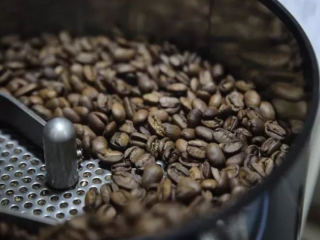
What is the difference between iron pickup coffee beans and Arabica coffee beans? Characteristics of Arabica coffee bean producing area and taste
Iron pickup coffee bean is one of the varieties of Arabica coffee, and the earliest coffee variety found is Arabica. According to biology, coffee varieties are divided into three major varieties: Arabica, Robusta, and Liberika. Arabica coffee is the first kind of coffee discovered by people. Arabica coffee accounts for now.

Introduction to the degree of grinding of Ethiopian coffee varieties by describing the origin of coffee flavor
Introduction to the Origin of Coffee in Ethiopia in 1723, a Frenchman Gabriel Mathieu de Klee (Gabrie Mathieu De clieu) brought coffee saplings to Martinique and began coffee cultivation in Latin America. In 1727, the first plantation in South America, Pala, Brazil, was established. And then cultivated near Rio de Janeiro. In 1730, the British introduced coffee to Jamaica.

Coffee Common sense: the spread of Coffee
People think that Africa is the hometown of coffee. But coffee actually originated in Ethiopia and spread around the world through the Yemeni port of Mocha.

Basic knowledge of coffee beans comparison of basic data of coffee bean varieties
Suitable cultivation conditions: Arabica variety (Arabica) is suitable for plateau cultivation, Robesta variety (Robusta) is suitable for lowland cultivation, and Liberian variety (Liberica) is suitable for minimum cultivation. Production: the Arabica variety (Arabica) accounts for about 70-80% of the world's total output; the Robesta variety (Robusta) accounts for about 20-30% of the world's total output of Liberian varieties (Liberica)

Popular Science of Coffee knowledge, the Development of Arabica Iron truck
Today, Arabica species account for fully 70% of the world's total coffee production, and most Arabica species have evolved after being spread to various places through two ancient varieties, Tieka and Bourbon. So today, let's talk a little bit about the "iron pickup", one of the two ancient varieties, which comes from Ethiopia.

Introduction to the planting environment of coffee-producing areas in Honduras, which are mostly mountains and plateaus.
In the early 17th century, the Germans, French, Italians and Dutch all competed to sell coffee to their overseas colonies. In 1616, a coffee tree was transferred to the Netherlands via the port of Mocha, giving the Dutch the upper hand in the competition for coffee cultivation. In 1658, the Dutch began to grow coffee in Ceylon. In 1699, the first European plantations appeared in Java by the Dutch.
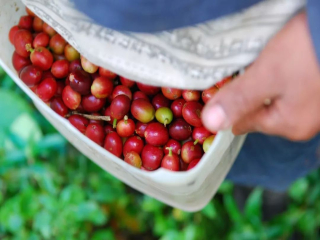
What's the difference between Arabica coffee beans and iron pickup coffee beans? What are iron pickup coffee beans?
First of all, let's talk about what Arabica is. At present, the coffee beans we drink can be divided into two kinds, Arabica coffee beans and Robusta coffee beans. Arabica coffee beans have a low caffeine content, between 0.9% and 1.2%. The content of fat and sugar is quite rich, the smell is soft and not irritating.

Africa is the home of coffee.
Africa is considered the home of coffee. But coffee actually originated in Ethiopia and was spread all over the world through the port of Mocha in Yemen. Ethiopian coffee cultivation began in 575 AD, for those Arabs, coffee was like the silk of China at that time, belonging to the national treasure. If anyone is lucky enough to taste this refreshing aroma

A brief history of the origin and development of coffee culture
No one knows about the place where coffee was born, and there are different opinions about the origin of coffee. In order to get an accurate answer, coffee experts and botanists investigated coffee and found that Ethiopia in Africa is the hometown of coffee. According to the current investigation, there are still a large number of unknown wild coffee trees in the African rainforest region, whose fruit flavor is unique and received by experts.

A brief history of the origin and development of coffee
No one knows about the place where coffee was born, and there are different opinions about the origin of coffee. In order to get an accurate answer, coffee experts and botanists investigated coffee and found that Ethiopia in Africa is the hometown of coffee. According to the current investigation, there are still a large number of unknown wild coffee trees in the African rainforest region, whose fruit flavor is unique and received by experts.

Coffee Culture on the spread of Coffee
People think that Africa is the hometown of coffee. But coffee actually originated in Ethiopia and spread around the world through the Yemeni port of Mocha. The history of Ethiopian coffee cultivation began in 575 AD. For those Arabs, coffee, like Chinese silk at that time, was a national treasure. If anyone is lucky enough to taste this fragrance and refreshing,

The spread of coffee The cultural history of coffee
Africa is believed to be the home of coffee. But coffee actually originated in Ethiopia and was spread all over the world through the port of Mocha in Yemen. Ethiopian coffee cultivation began in 575 AD, for those Arabs, coffee was like the silk of China at that time, belonging to the national treasure. If anyone has the honor of tasting

Brazilian Bolivian coffee bean flavor characteristics taste different Brazilian coffee planting history story
For more information on coffee beans, please follow the coffee workshop (Wechat official account cafe_style) Coffee from Brazil is compared with coffee from other places < 1 > Coffee in Taiwan is a very suitable place for coffee growth because of its mild climate, abundant rainfall and many high mountains on the Tropic of Cancer. In 1884, the British were introduced into the three Gorges in Taipei for trial planting, during the Japanese occupation era, Japan.

The spread of coffee Africa is the hometown of coffee?
People think that Africa is the hometown of coffee. But coffee actually originated in Ethiopia and spread around the world through the Yemeni port of Mocha. The history of Ethiopian coffee cultivation began in 575 AD. For those Arabs, coffee, like Chinese silk at that time, was a national treasure. If anyone is lucky enough to taste this fragrance and refreshing,

The spread of Coffee the World Development History of Fine Coffee
People think that Africa is the hometown of coffee. But coffee actually originated in Ethiopia and spread around the world through the Yemeni port of Mocha. The history of Ethiopian coffee cultivation began in 575 AD. For those Arabs, coffee, like Chinese silk at that time, was a national treasure. If anyone is lucky enough to taste this fragrance and refreshing,
The story of coffee
The earliest origin of coffee trees is recognized by botanists and the industry as Kaffa province in Ethiopia. Ethiopia is located in the landlocked country of northeast Africa, with many lakes, rivers and rich water resources, which is called the East African Water Tower. The name of the country comes from the Greek word for tanned faces and land inhabited by suntanned people. The legend of the shepherd
Introduction of Coffee from 53 Coffee producing areas in the World (3)
twenty-one. Venezuela oil was once considered the main export of Venezuela (Venezuela). Although coffee trees were introduced from Martinique in 1730 and Venezuela, coffee production was almost abandoned at the height of the oil industry. Recently, coffee plantations have begun to recover, with original Tipica and bourbon coffee trees and new plantations
Basic knowledge about coffee
What is coffee? Coffee is the fruit of a Rubiaceae plant grown at altitudes of about 6,000 feet and distributed along narrow subtropical axes around the world; the coffee tree is green all year round and can grow up to 20 feet tall, usually controlled to 8 to 10 feet tall for easy harvesting.

The basics of coffee cultivation
What is coffee? Coffee is the fruit of a Rubiaceae plant growing about 6000 feet above sea level, distributed on the world's narrow subtropical axis; coffee trees grow green all the year round and can grow up to 20 feet tall, and are generally controlled at 8 to 10 feet for easy harvest.